
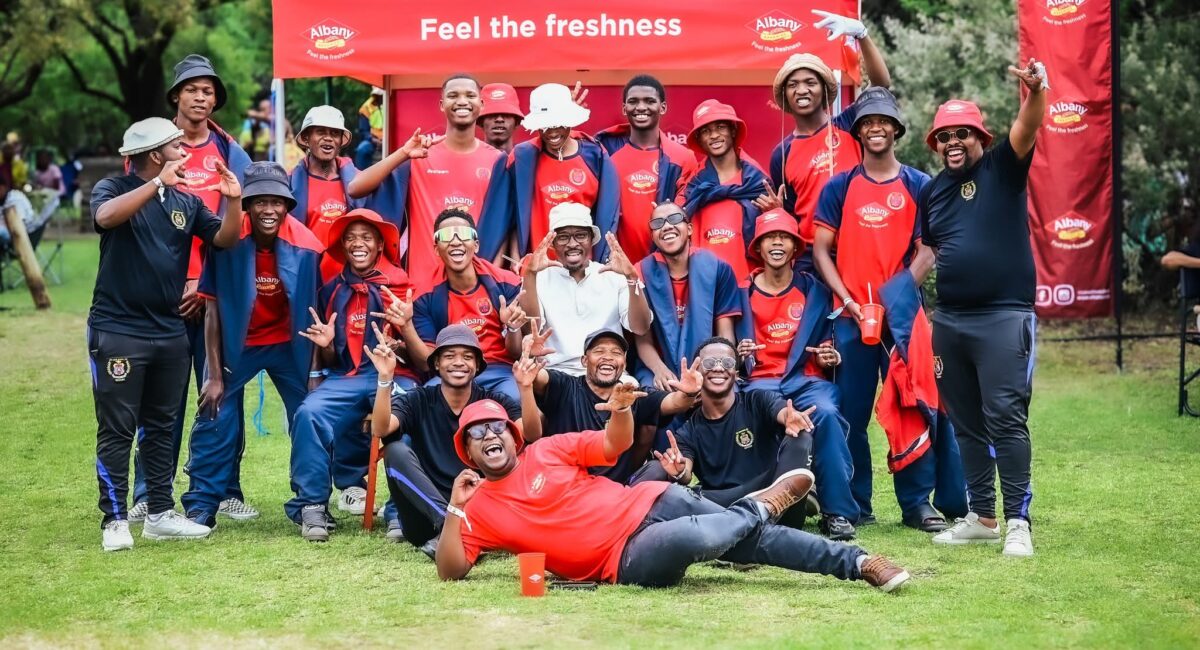
Acknowledging the Festival Movement
Respecting the Owners of the Playing Field
Before we speak about digital systems.
Before we speak about structure.
Before we speak about scaling the township economy.
We must acknowledge something important:
The cultural stage was already built.
Long before Kota Kulture existed as a digital platform, the kota had already moved from street corners to large-scale celebration. What started as township survival food became a national attraction — drawing thousands of people together in shared pride.
At the center of that amplification stands the Kota Festival Movement.
They did not just host events.
They legitimized the culture publicly.
They turned everyday township trade into headline experiences.
And that matters.
From Corner Shops to National Platforms
For years, kota vendors built their businesses through loyalty and reputation within their communities. But festivals changed the scale of visibility.
Suddenly:
Township vendors were cooking for thousands in one weekend.
Brands were paying attention.
Media coverage increased.
Sponsors entered the space.
The kota was no longer just something you grabbed after school or during lunch break. It became a destination experience.
The festival movement created something powerful:
A centralized moment where township food culture could be celebrated loudly and unapologetically.
They created the stage.
And once a stage exists, the entire ecosystem evolves.
Understanding Hierarchy
In business — especially in cultural business — hierarchy matters.
You do not enter a space pretending you invented it.
You do not position yourself as a pioneer of something that others have already been building publicly for years.
The festival movement owns the live cultural playing field. They built the audience. They built the excitement. They built national recognition.
Kota Kulture does not compete with that.
We complement it.
Where festivals create moments, we are building memory.
Where festivals create physical gatherings, we are building digital infrastructure.
Where festivals amplify vendors for a weekend, we aim to amplify them every day online.
That distinction is deliberate.
Why the Festival Movement Changed Everything
Large-scale events did more than celebrate food.
They shifted perception.
The kota moved from being labeled “informal street food” to being seen as cultural capital. Corporates began associating with it. Sponsors aligned themselves with township energy. Media narratives shifted from survival to celebration.
That shift opened doors.
It signaled that township culture was not a side story — it was mainstream South African culture.
And once culture becomes mainstream, structure becomes necessary.
Because scale demands systems.
The Gap That Still Exists
Even with successful festivals and national recognition, one reality remains:
Most township vendors still operate without digital infrastructure.
After the festival ends:
- Many are not easily searchable.
- Their menus are not accessible online.
- Their locations are not digitally mapped.
- Their customer data remains untracked.
The celebration is visible.
The daily economy is not.
That is the gap Kota Kulture exists to address.
Not to replace festivals.
Not to overshadow pioneers.
But to strengthen the ecosystem between events.
A Shared Vision, Different Roles
The future of the township economy will require multiple pillars:
Cultural celebration.
Corporate partnerships.
Digital infrastructure.
Data visibility.
Entrepreneur education.
The festival movement has proven that the appetite exists — literally and figuratively.
Now the next layer must emerge:
Digitisation.
Searchability.
Measurability.
Kota Kulture steps into that layer with full respect for those who expanded the cultural footprint first.
Because understanding the playing field is part of playing the long game.
Building Forward, Not Over
There is space in this ecosystem for collaboration, alignment, and shared growth.
Festivals bring people together physically.
Digital platforms connect them continuously.
The township economy deserves both.
And as this movement continues to evolve, one thing becomes clear:
The kota is no longer just food.
It is an industry.
Industries require structure.
Leave a Comment