
Corporate Backing & Brand Recognition
Why Sponsors Matter in the Township Economy
Culture moves first.
Business follows.
By the time corporate sponsors enter a cultural space, something important has already happened: the market has proven itself.
The kota did not need validation to exist. It survived decades without corporate attention. It fed workers, students, families and entire communities long before brands arrived with banners and activation stands.
But when sponsors began aligning themselves with township food festivals and vendor platforms, it signaled something deeper.
It signaled recognition.
Recognition that the township economy is not informal chaos — it is structured demand operating without formal visibility.
The Quarter Loaf That Built a Market
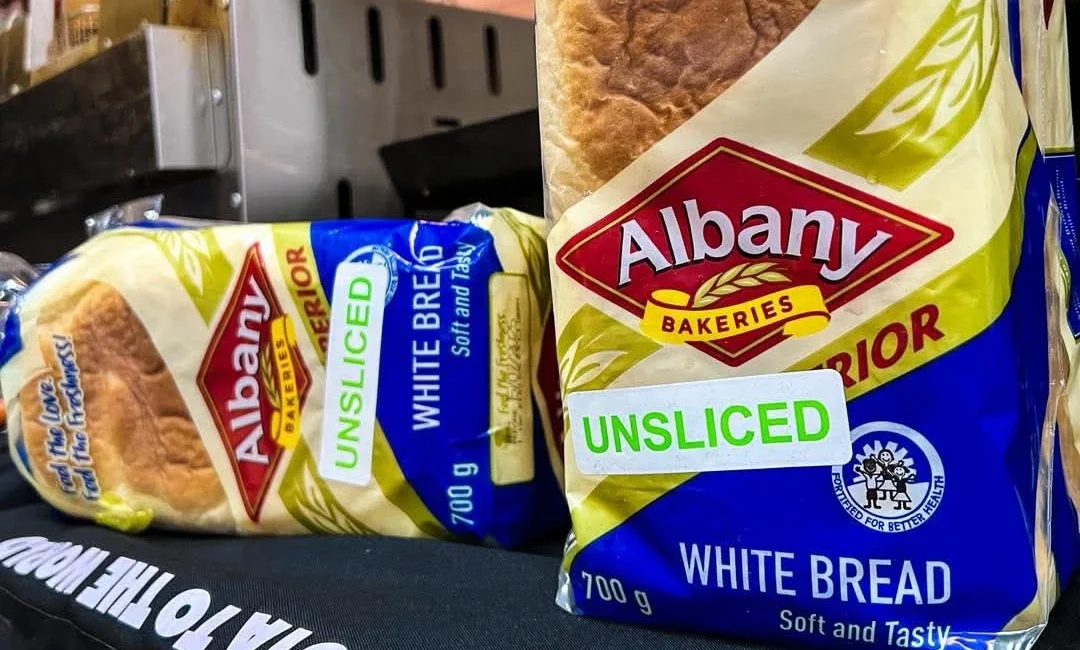
Take a brand like Albany.
For decades, Albany bread has been a staple in South African households. The quarter loaf — the foundation of the kota — is not an abstract ingredient. It is a product embedded in daily life.
When a bread brand aligns itself with kota festivals and township food culture, it is not random marketing. It is strategic proximity to where real consumption happens.
Because let’s be honest:
Every kota begins with bread.
And when thousands of kotas are sold at scale — at festivals, at taxi ranks, at street corners — that is not small trade. That is volume. That is recurring revenue. That is measurable demand.
Sponsors see patterns.
They follow patterns.
Why Corporate Alignment Matters
There is a difference between exploitation and ecosystem participation.
When done correctly, sponsorship in township spaces can:
• Increase vendor exposure
• Improve event infrastructure
• Attract media attention
• Create formal supply chain relationships
• Introduce compliance and quality standards
But beyond surface visibility, corporate backing does something even more important:
It shifts perception.
It tells the broader market that township trade is investable. That it is worth associating with. That it carries brand value.
That psychological shift is powerful.
Because perception often precedes capital.
The Economic Reality
Township economies generate billions in circulation annually. Much of it moves through cash, informal networks and undocumented transactions. That does not make it small. It simply makes it undercounted.
Sponsors entering the space are responding to lived reality:
High foot traffic.
High product turnover.
Strong brand loyalty.
Cultural influence.
When major brands align with township events and food culture, they are not doing charity.
They are positioning.
And that positioning confirms what township entrepreneurs have always known:
There is serious money in the kasi.
The Missing Layer: Data
However, while sponsorship proves recognition, there is still a structural gap.
Corporate brands operate on data.
They measure impressions.
They track conversion.
They analyze purchasing behavior.
Most township vendors do not yet have access to that level of insight.
That is where digitisation becomes critical.
Imagine a township vendor who can:
Track daily sales digitally.
Understand peak buying times.
Analyze popular menu combinations.
Accept digital payments seamlessly.
Appear in search results instantly.
Now the ecosystem becomes measurable — not just culturally powerful, but economically trackable.
Sponsors bring visibility.
Digital systems bring sustainability.
A Mature Ecosystem Requires All Players
Festivals amplify culture.
Sponsors validate scale.
Digital infrastructure builds longevity.
None replaces the other.
For the township economy to evolve into a fully recognized sector, it requires alignment between:
Entrepreneurs
Cultural movements
Corporate partners
Technology platforms
Kota Kulture understands this balance.
We are not entering the ecosystem as outsiders trying to dominate it.
We are building the digital layer that allows every participant — from the street vendor to the national sponsor — to operate in a more structured environment.
From Activation to Infrastructure
Corporate activations at festivals are powerful. They create excitement and short-term brand association.
But long-term economic transformation requires something deeper:
Persistent digital presence.
Searchable vendor directories.
Digital menus.
Online discoverability.
Data insights.
The township economy has proven it has the audience.
Sponsors have proven they see the value.
The next step is making that value measurable and scalable.
The Bigger Vision
When bread brands, beverage companies and national sponsors stand beside township vendors, it signals a shift in South Africa’s economic narrative.
The township is not peripheral.
It is central.
And as more brands recognize that truth, the responsibility grows to ensure the ecosystem is structured in a way that benefits entrepreneurs first.
Because without the vendor, there is no festival.
Without the vendor, there is no sponsorship.
Without the vendor, there is no movement.
The vendor is the foundation.
Digitisation protects the foundation.
Leave a Comment